Cloud-Based Catalog Management Software for Smarter Commerce!
Product data is a mess for most businesses. Prices are wrong on one site. Descriptions are outdated on another. Your team spends hours fixing the same information across multiple platforms. Our catalog management software fixes this problem. It stores all your product details in one cloud system. Update a price once, and it changes everywhere. No more errors that cost you sales. The system handles products, pricing, inventory, and shipping rules automatically. Your team gets time back, and your customers see accurate information every time.
Why Catalog Management Matters
Excel spreadsheets seemed like a good idea at first. They’re free, familiar, and flexible. But they’re also the best way to keep track of stock until you hit about 50 products or add a second sales channel. After that, spreadsheets become a liability. Version control disappears. Someone overwrites the wrong cell. Inventory counts drift out of sync with reality. You’ve probably searched for an alternative to Excel inventory tracking that actually scales with your business. That’s exactly what a proper catalog management system delivers.
A cloud-based catalog system solves this. It becomes your single source of truth. Every product detail lives in one place. When you make a change, it updates everywhere in real time. Your data stays consistent. Your team stops doing manual work and starts being productive.
What is a Catalog Management Software?
Catalog management software is your central hub for all product information. Think of it as a master database where everything lives. Product names, descriptions, images, prices, SKUs, and shipping details all sit in one system.
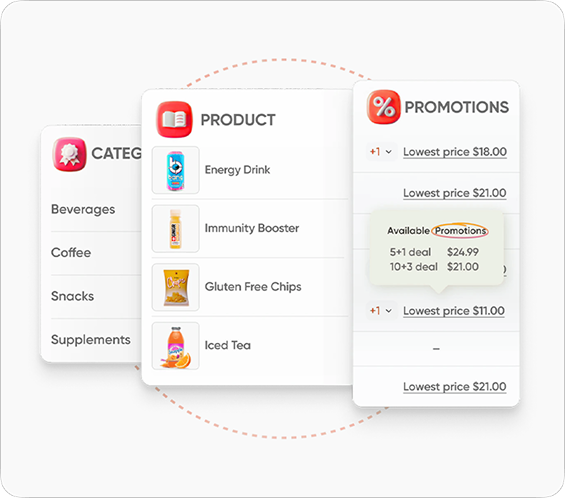
Beyond basic product details, a product catalog management system helps you organize products and SKUs in a way that makes sense for your business. You can group items by category, vendor, season, or warehouse location. SKUs organization happens automatically based on rules you set once. The system can even generate SKUs following your naming convention when you add new products. This kind of structure matters when you’re managing hundreds or thousands of items across multiple locations.
Here’s a real example. You need to change a product price from $49 to $39. You update it once in the catalog system. Within seconds, your website reflects the new price. So does Amazon. So does eBay. Every connected store updates automatically. One change, everywhere at once.
Core Features & Capabilities
01.
Centralized Product Database
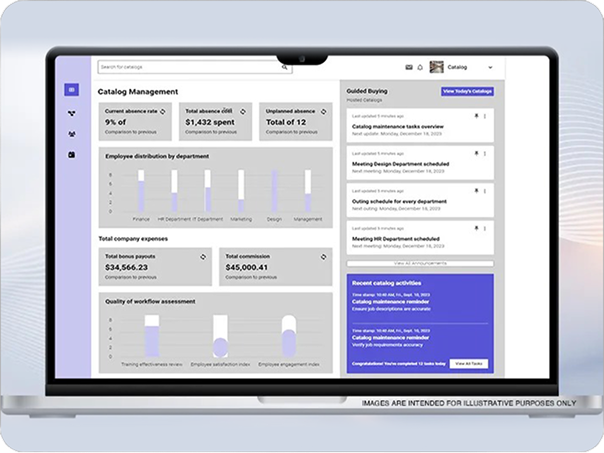
Every product attribute lives in one dashboard. You can see names, descriptions, prices, images, weight, dimensions, and stock levels all in one view—no more hunting through different systems. Everything you need is right there when you need it.
02.
Bulk Uploads & Smart Imports
Adding thousands of products doesn’t mean thousands of hours of work. Upload an Excel file with all your SKUs, and the system processes them fast. You can also connect through API if your products come from another system. Large catalogs get set up in minutes instead of days.
03.
Omnichannel Sync
Your product data flows to every sales channel automatically. Update once, and it appears on your website, Amazon, eBay, social media shops, and retail partners. The system keeps everything in sync, so customers see the same accurate information no matter where they shop.
04.
AI-Powered Data Enrichment
Missing a product description? The system can write one for you. Need product tags for better search? It adds them automatically. The AI looks at your existing data and fills in the gaps. Your catalog becomes complete without extra manual work.
05.
Integrated Shipping Rules
Set up shipping logic based on what you’re selling and where it’s going. Heavy items can trigger freight shipping. International orders can add customs information. The system applies the right shipping method and cost automatically based on rules you create once.
Trusted by the Industry
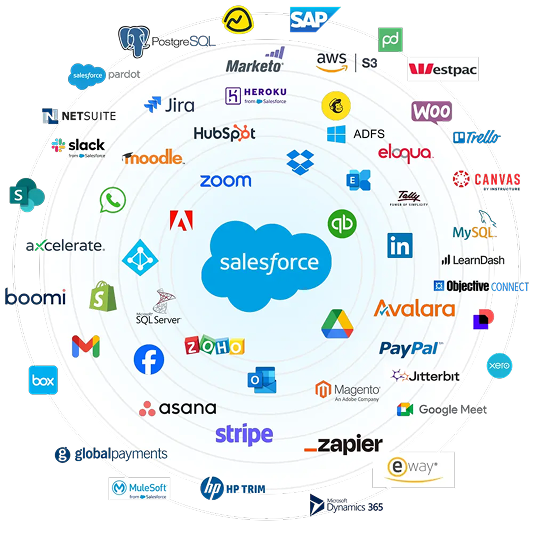
Kloudville is expanding our global strategic technology and delivery partners to reach more clients. Our Kloudville 360 Solutions are supported by leading brands within the telecommunications, technology, and consulting industries.
Cloud-Based Architecture & Scalability
Cloud software means you access it from anywhere with internet. No servers to buy. No IT team to maintain hardware. No software updates to install manually. Everything happens automatically in the background.
Your catalog updates in real time. A change made in New York appears instantly in London. The system grows with your business. Adding 10,000 new products doesn’t slow it down. Peak shopping seasons don’t crash the system.
Cloud System
Access from anywhere, automatic updates, scales automatically, pay monthly, zero maintenance
Traditional System
Office access only, manual updates required, fixed capacity, large upfront cost, requires IT staff.
Shipping Rules Module
Shipping gets complicated fast. Different products need different carriers. Regions have different costs. Heavy items ship differently from small ones. Managing this manually creates mistakes.
The shipping rules module automates all of it. You set up rules once based on what matters to your business. Product size, weight, destination, and currency all become triggers for the right shipping method.
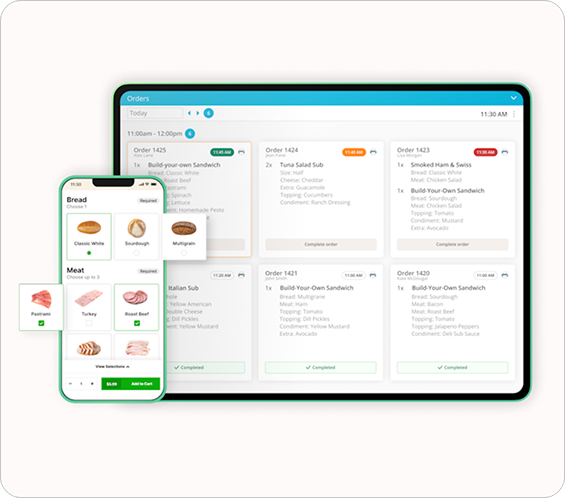
Here’s how it works in practice. A customer orders a large furniture item. The system sees the dimensions and weight. It automatically selects freight shipping instead of standard delivery. The correct rate appears at checkout. The customer pays the right amount. Your team doesn’t touch anything. The whole process runs on autopilot.
AI-Driven Catalog Intelligence
The system doesn’t just store your data. It helps you make smarter decisions with it.
Pricing becomes strategic. The AI analyzes market trends and suggests optimal prices for your products. You can see what competitors charge and adjust accordingly.
Product tagging happens automatically. The system reads your product details and adds relevant tags for better search results. Customers find what they want faster.
Performance dashboards show which products sell best on which channels. Amazon might love one product while your website prefers another. You see the data and make informed decisions about inventory and marketing.
Integration Ecosystem
Your business already uses different software systems. Accounting tools, customer databases, and point of sale terminals. The catalog system connects to all of them.
It integrates with major business platforms like SAP and Oracle for accounting. Customer management tools like HubSpot and Salesforce sync seamlessly. Your retail stores connect through POS systems.
For ecommerce catalog management solutions specifically, the integrations matter most. Your online store is where customers interact with your product data. The system pushes updates to Shopify, WooCommerce, Magento, and BigCommerce instantly. Product descriptions, pricing changes, and inventory adjustments all flow automatically. This answers the practical question of how to sync inventory with website platforms you literally don’t think about it once the integration is configured. The system handles synchronization in the background while you focus on selling.
Benefits of Using Our Catalog Management System
Real-time product consistency - Every channel shows the same accurate information at the same time.
Faster go-to-market - Launch new products across all channels in minutes instead of days
Lower operational costs - Your team stops doing manual data entry and focuses on growth.
Improved accuracy - Eliminate human errors that cost you sales and damage your reputation.
Seamless automation - Updates, syncing, and shipping rules run automatically in the background.
Enterprise scalability - Handle ten products or ten million without changing systems.
Future of Cloud Catalog
AI and automation are changing how businesses sell online. Smart systems now handle tasks that used to take hours of manual work. Global eCommerce demands speed and accuracy at scale. Our catalog management solutions evolve continuously with new features and capabilities. We build tools that empower your digital commerce strategy as technology advances and customer expectations grow.
Centralize, Automate, & Scale
Stop juggling multiple systems and spreadsheets. Our cloud-based catalog management software brings everything together. Manage products, automate fulfillment, and grow your business without the usual headaches. See how unified product and shipping automation actually works. Request a free demo today and watch your catalog come to life in one powerful system.
Ready to Get Started?
Unlock your online catalog’s full potential with our catalog tool’s engagement module.
“As a small business owner, I don’t have time to update product info on five different platforms. Kloudville does it automatically. I’ve reclaimed 15 hours per week to actually grow my business..”
Adam Garogan
Director of E-Commerce at MegaRetail
“Before Kloudville, we were managing 5,000+ SKUs across three platforms using spreadsheets. Now everything syncs automatically. We’ve cut product listing time by 70% and eliminated pricing errors.”
Danae Dermatis
E-commerce Manager at AlphaMega
“The real-time inventory sync is a game-changer. No more overselling on Amazon or running out of stock on our website. Customer satisfaction scores jumped 28% since implementation.”
Marcus Thompson
Operation Manager at Urban Style
“Managing inventory across our website, Amazon, and retail stores was a nightmare. Kloudvilla’s real-time sync saved us from countless stockouts. Our order fulfillment accuracy jumped to 99.2%.”
Mandy Wulf
Operations Director at RetailHub Solutions
Frequently Asked Questions
What is catalog management software?
Catalog management software is a set of digital tools developed for companies to centralize and manage the information about the products they’re selling. Such software is particularly useful for companies with large and complex product catalogs, as it streamlines the process of distributing up-to-date product information to customers, partners, and internal teams.
How can an online catalog management system improve my business?
An online catalog management system improves your business by centralizing all product data in one place and automatically syncing it across all sales channels. This reduces manual work, eliminates errors, ensures consistent product information, and helps you launch and manage products faster. It also enhances customer experience by providing accurate, up-to-date product details everywhere.
How does the system sync inventory with my website?
The system syncs inventory with your website through direct integrations or APIs. When stock levels or product details are updated in the catalog, those changes are automatically reflected on your website and other connected platforms in real time. This ensures accurate inventory visibility and prevents overselling or stock mismatches.
Does our product catalog management software support large-scale operations?
Yes, the system is built to support large-scale operations. It can handle thousands or even millions of products without performance issues. With cloud-based infrastructure, automation, and bulk management features, it allows businesses to scale efficiently while maintaining speed, accuracy, and reliability.